Common Mistakes When Charging Vehicle Batteries (And How to Avoid Them)
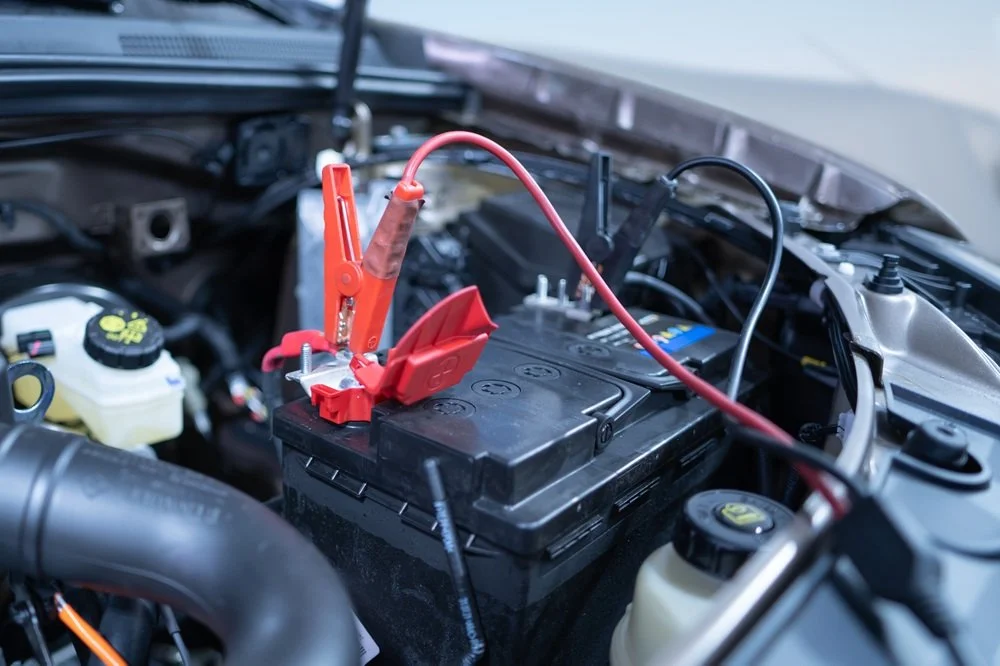
Proper battery charging is essential for maintaining vehicle reliability, especially in modern automotive environments where electrical systems are more complex than ever. However, many workshops and dealerships still encounter issues caused by avoidable battery charging mistakes in automotive applications.
From incorrect equipment use to poor charging practices, these errors can lead to reduced battery life, system faults, and even costly damage. Understanding these risks, and how to avoid them, is key to ensuring safe battery charging and long-term performance.
Why Proper Battery Charging Matters
Vehicle batteries today do far more than start the engine. They support a wide range of systems, including:
Infotainment and display units
Advanced driver assistance systems (ADAS)
Control modules and onboard computers
Start-stop and hybrid technologies
Improper charging can negatively impact all of these systems, making safe battery charging practices more important than ever.
1. Overcharging the Battery
One of the most common battery charging mistakes in automotive environments is overcharging.
Why it happens:
Using outdated or non-regulated chargers
Leaving batteries connected for too long
Incorrect charger settings
Risks of overcharging a car battery:
Excessive heat buildup
Battery fluid loss (in lead-acid batteries)
Reduced battery lifespan
Potential internal damage
How to avoid it:
Use intelligent or regulated chargers with automatic shut-off
Monitor charging cycles and durations
Select the correct charging mode for the battery type
Preventing overcharging a car battery is critical for maintaining both safety and performance.
2. Using the Wrong Type of Charger
Not all chargers are suitable for every battery type. Modern vehicles use a variety of batteries, including AGM, GEL, and LiFePO₄. Older models include Calcium/Calcium and Calcium/Silver lead/acid batteries. It’s important to know the kind of battery you’re working with to know how to charge it correctly.
Common issues:
Incorrect voltage settings
Incompatible charging profiles
Inefficient or unsafe charging
How to avoid it:
Use chargers compatible with multiple battery types
Confirm battery specifications before charging
Invest in modern automotive battery charging systems with adaptive technology
3. Charging Without Considering Load Conditions
Charging a battery while the vehicle is under electrical load, such as during diagnostics, can create instability if the wrong equipment is used.
Risks include:
Voltage fluctuations
Incomplete charging
Potential system faults
How to avoid it:
Use a battery support unit when the vehicle is active
Avoid relying solely on a charger during diagnostics or programming
Understanding the difference between charging and power support is essential for modern workshops.
4. Ignoring Battery Condition Before Charging
Attempting to charge a damaged or deeply discharged battery can lead to poor results or further issues.
Common problems:
Charging a battery with internal faults
Ignoring signs of sulfation or degradation
Repeatedly charging failing batteries
How to avoid it:
Perform a battery health check before charging
Replace batteries that show signs of failure
Use chargers with diagnostic capabilities
This step helps avoid unnecessary downtime and improves efficiency.
5. Poor Connection Practices
Incorrect, corroded or loose connections are a frequent but often overlooked issue.
Risks include:
Inconsistent charging
Sparks or short circuits
Damage to battery terminals or battery
How to avoid it:
Ensure clean, secure connections
Inspect cables and clamps regularly
Follow correct connection order (positive first, then negative)
Good connection practices are a simple but essential part of safe battery charging
Traction / Auto Emporium
📧 Email: sales@auto-emporium.com
📞 Phone: 610-605-3634
For additional information on products, questions, or comments, please contact Traction / Auto Emporium using the email address or phone number above.