Why Standard Laptops Fail in Workshop Environments
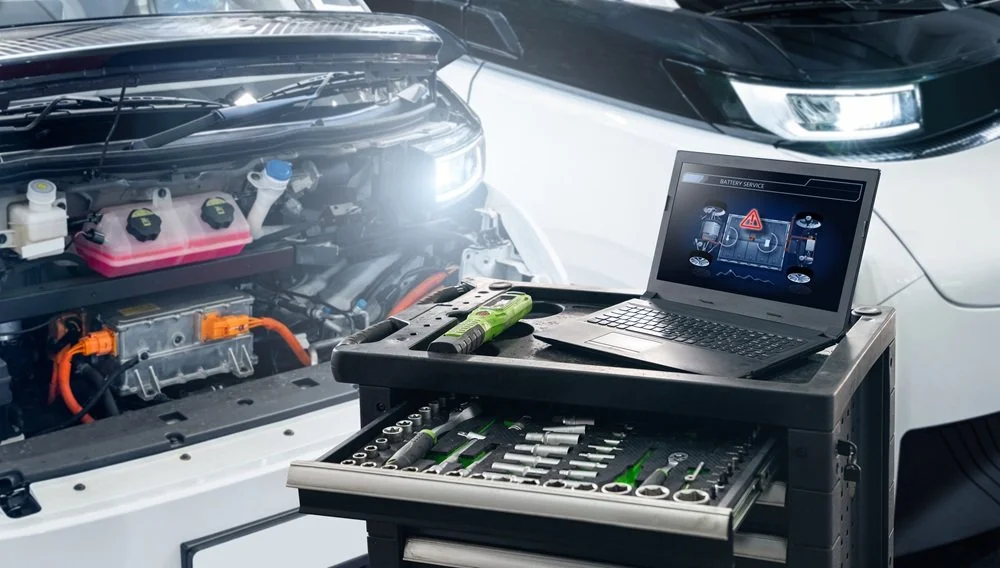
Laptops are now a core part of modern automotive diagnostics, used for everything from ECU programming to fault finding and system calibration. However, not all laptops are suited to the demands of a workshop. In many cases, standard consumer devices struggle to cope with the environment, leading to downtime, damage, and inefficiency.
Understanding why standard laptops fail in workshop environments highlights the need for more robust, purpose-built solutions.
Harsh Conditions in Automotive Workshops
Unlike office settings, workshops expose equipment to a range of challenging conditions. These include:
Dust and debris from daily operations
Exposure to oils, fluids, and contaminants
Temperature fluctuations
Risk of drops, knocks, and vibration
Standard laptops are not designed for this level of exposure. Over time, these conditions can affect performance and lead to hardware failure.
Lack of Durability and Protection
Consumer laptops are built for controlled environments. In a workshop, they are often moved between vehicles, placed on uneven surfaces, or used in confined spaces.
Common issues include:
Cracked screens from minor impacts
Damaged ports due to repeated connections
Internal component failure from vibration or drops
Without reinforced casing or shock protection, standard devices are more likely to fail under everyday workshop use.
Poor Resistance to Dust and Moisture
Dust and moisture are constant in automotive environments. Standard laptops typically lack adequate sealing, allowing particles and liquids to enter the device.
This can lead to:
Overheating caused by blocked cooling systems
Keyboard and trackpad malfunctions
Corrosion of internal components
Over time, this reduces reliability and increases maintenance or replacement costs.
Limited Battery Performance
Diagnostic work often requires extended use away from fixed workstations. Standard laptops may not offer sufficient battery life for long diagnostic sessions.
Frequent recharging can interrupt workflow, particularly when moving between vehicles. Inconsistent power availability further highlights the limitations of consumer devices in automotive workshop environments.
Connectivity and Compatibility Challenges
Workshops rely on multiple connections, including diagnostic tools, vehicle interfaces, and external devices. Standard laptops may not be designed for repeated use of ports or demanding connectivity requirements.
Issues can include:
Loose or worn USB ports
Limited compatibility with diagnostic hardware
Reduced reliability during data transfer
These problems can disrupt vehicle diagnostics and slow down workflow.
Impact on Workshop Efficiency
When laptops fail, the impact goes beyond the device itself. It can lead to:
Delays in diagnostics and repairs
Increased downtime for technicians
Additional costs for repairs or replacements
Frustration and reduced productivity
Reliable equipment is essential to maintaining an efficient automotive workshop workflow.
The Need for Purpose-Built Solutions
To meet the demands of modern workshops, many businesses are turning to rugged laptops for automotive use. These devices are designed specifically to handle:
Harsh working conditions
Physical impacts and vibration
Exposure to dust and moisture
Extended use in demanding environments
They provide the durability and reliability required for consistent performance in diagnostic tasks.
Standard laptops are not built for the realities of workshop environments. From physical damage to environmental exposure, they often fail to deliver the reliability needed for modern automotive diagnostics.
For workshops aiming to improve efficiency and reduce downtime, investing in equipment designed for the job is essential. Choosing the right tools ensures that technicians can work effectively, without interruption, in even the most demanding conditions.
Traction / Auto Emporium
📧 Email: sales@auto-emporium.com
📞 Phone: 610-605-3634
For additional information on products, questions, or comments, please contact Traction / Auto Emporium using the email address or phone number above.