

Different Batteries Require Different Charging Methods
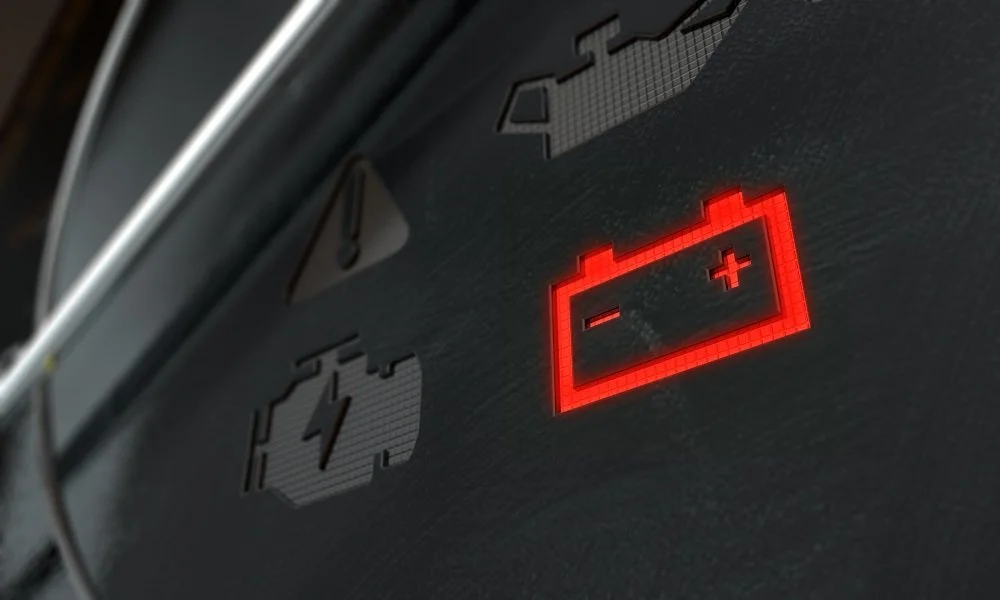
Batteries aren’t all the same, and the way they are charged makes a big difference to how well they perform and how long they last. Given the cost of replacement batteries, using the right charging method is essential to avoid damage and ensure longevity.
Common Battery Types
Lead-Acid Batteries
These are the oldest type of rechargeable battery and are still widely used. They are made with lead plates and acid cells, and while they’re inexpensive, they have a lower energy density and shorter life compared with newer types.
All lead-acid batteries will develop sulfate during their lifetime, so its important to opt for a charger that has de-sulfation technology, such as Traction’s MPL50.
Calcium (Ca/Ca) Batteries
These are a type of lead-acid battery with calcium added to the plates. This reduces self-discharge and helps improve lifespan and starting power, making them common in modern vehicles.
AGM (Absorbed Glass Mat)
AGM batteries are an advanced lead-acid type that use a fibreglass mat to hold the electrolyte. They handle temperature changes better and offer greater durability, especially in vehicles with start-stop systems.
Gel Batteries
Similar to AGM batteries, gel types use a thickened electrolyte to make them spill-proof and suitable for angled use. They require gentler charging because they’re less tolerant of high-power input.
LiFePO4 (Lithium Iron Phosphate)
These are a modern lithium battery type with higher energy density, longer life and lower maintenance needs. However, they require a charger designed for their specific chemistry, as conventional chargers can damage them.
Why Charging Method Matters
Each battery chemistry needs a charge profile that matches its design. Charging a battery with the wrong method can shorten its lifespan or even cause damage. This is because different types of batteries change voltage and current acceptance as they charge, so a one-size-fits-all approach doesn’t work.
Ensuring you identify the battery type before selecting a charger helps protect the investment in the battery and keeps it performing reliably over time.
Traction / Auto Emporium
📧 Email: sales@auto-emporium.com
📞 Phone: 610-605-3634
For additional information on products, questions, or comments, please contact Traction / Auto Emporium using the email address or phone number above.