

How to Select the Right Battery Support Equipment for Today’s Workshop
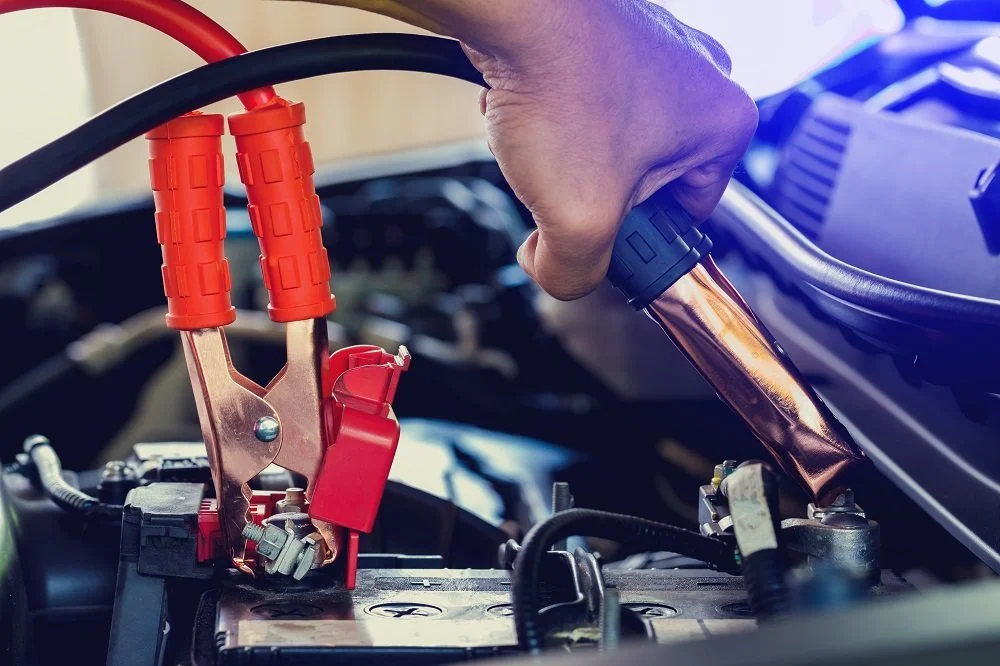
Choosing battery support equipment for a modern workshop requires more thought than it once did. Vehicle batteries are lighter, more powerful and closely linked to increasingly complex electronic systems, which means the tools used to support them must be up to the task.
Start With the Job You Need to Do
Before selecting any equipment, it’s important to be clear about its purpose. If the goal is simply to recharge a battery outside of the vehicle, a standard Battery Charger is usually sufficient. These are designed to restore charge, not to power vehicle systems.
For diagnostic work or software programming, a Battery Support Unit is essential. These units are designed to maintain a stable power supply while the vehicle’s electrical systems are active, helping to prevent data loss or interruption during critical procedures.
Showroom environments have different requirements again. Vehicles on display continue to draw power even when stationary, so Showroom Support Units can be used to maintain charge levels automatically and keep vehicles ready for demonstration.
Consider the Vehicles You Work On
Most workshops deal with a range of vehicles, so flexibility is key. If multiple batteries need charging at the same time, equipment that supports sequential or multi-battery charging can save time. These are called Bank Adaptors.
Battery type is another important factor. While many vehicles still use traditional lead-acid or AGM batteries, lithium batteries are becoming more common. Charging and support equipment must be compatible with the battery chemistry in use to avoid damage.
Practical Workshop Considerations
Space is often limited, so compact equipment that can be wall-mounted or stored on a trolley is easier to manage in a busy workshop. Reliability is equally important, as dependable support equipment reduces downtime and helps ensure consistent performance during daily use.
Choosing the right battery support equipment ultimately comes down to understanding your workload, the vehicles you service and the practical demands of your workshop.
Traction / Auto Emporium
📧 Email: sales@auto-emporium.com
📞 Phone: 610-605-3634
For additional information on products, questions, or comments, please contact Traction / Auto Emporium using the email address or phone number above.