

Key Differences Between Lithium-Ion and Lithium Iron Batteries
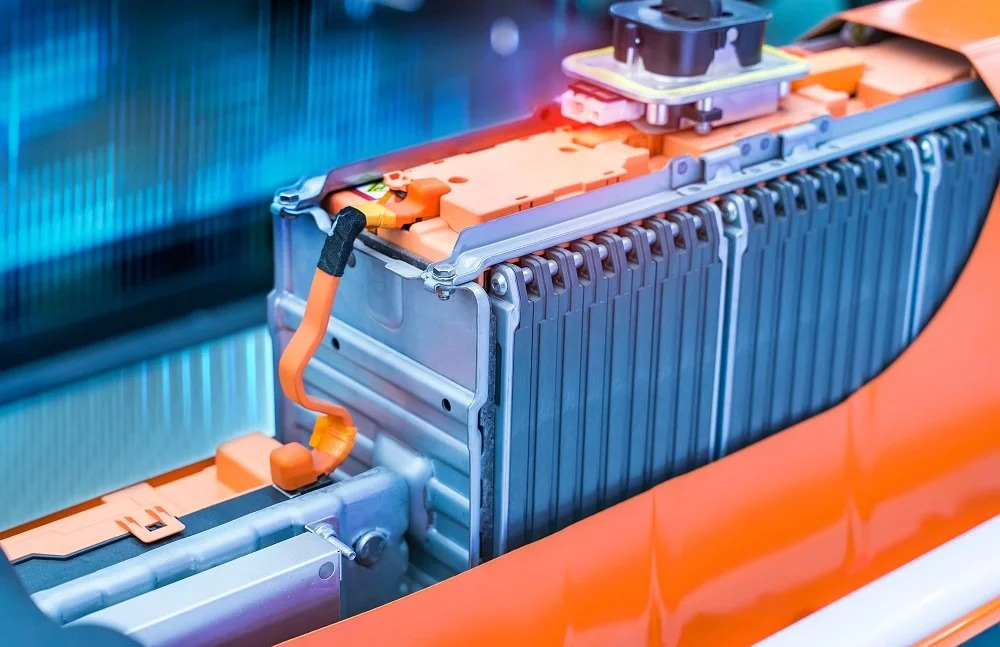
Lithium batteries are often grouped together, but lithium-ion and lithium iron phosphate batteries are not the same. While both are lithium-based, they differ significantly in construction, behaviour and suitability for different applications.
Lithium-Ion Batteries
Lithium-ion batteries are known for their high energy density, which allows them to deliver a lot of power from a relatively small and lightweight battery. This makes them popular where size and weight are important considerations.
However, lithium-ion batteries are more reactive by nature. They are sensitive to overcharging, excessive discharge and high temperatures, which means they rely heavily on electronic control systems to operate safely. If these systems fail or incorrect charging equipment is used, battery life can be reduced and safety risks increase.
Lithium Iron (LiFePO4) Batteries
Lithium iron batteries use a different chemical structure that provides greater stability. Although they have a lower energy density than lithium-ion batteries, they are far more robust in demanding environments.
This chemistry makes lithium iron batteries less prone to overheating and thermal instability. They also tolerate repeated charging and discharging far better, resulting in a longer service life compared with standard lithium-ion batteries.
Safety and Stability
A key difference between the two battery types is how they behave under stress. Lithium-ion batteries can become unstable if damaged, overheated or incorrectly charged. Lithium iron batteries are much more stable and are significantly less susceptible to thermal runaway, making them a safer option in many applications.
Charging Considerations
Because lithium-ion and lithium iron batteries behave differently, they require different charging profiles. Using incorrect charging equipment can cause permanent damage or reduce battery performance. Lithium iron batteries must be charged using chargers designed specifically for their chemistry.
Choosing the Right Battery
Lithium-ion batteries are best suited to applications where compact size and low weight are essential. Lithium iron batteries are better suited to situations where safety, durability and long-term reliability are the priority.
Understanding these differences is essential to selecting the correct battery and charging it safely and effectively.
Traction / Auto Emporium
📧 Email: sales@auto-emporium.com
📞 Phone: 610-605-3634
For additional information on products, questions, or comments, please contact Traction / Auto Emporium using the email address or phone number above.