

How to Prevent Sulfation in Lead-Acid Batteries
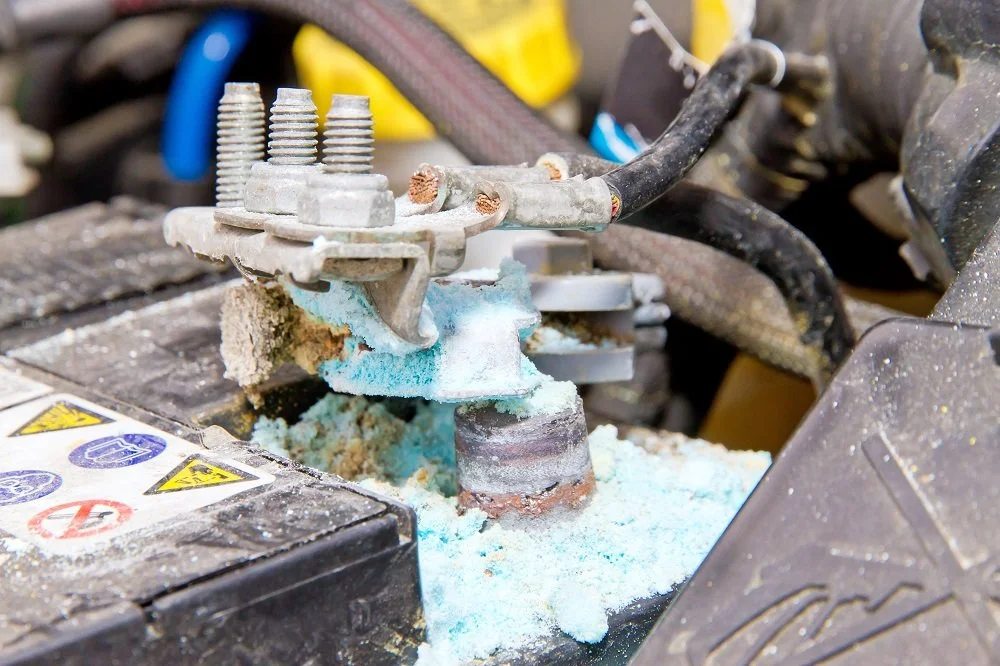
Sulfation is one of the main causes of early failure in lead-acid batteries. It happens when lead sulfate crystals build up on the battery’s plates, which reduces performance, increases charging times and ultimately shortens battery life.
What Sulfation Is and Why It Happens
In a lead-acid battery, sulfation refers to the formation of lead sulfate on the active material of the plates. As a battery naturally self-discharges when not in use, its state of charge falls. Once the state of charge drops below full, sulfation begins to occur. Over time, this crystal build-up can restrict the chemical reactions needed to deliver power and accept a charge.
Steps to Reduce Sulfation
Store Batteries Correctly
Keeping batteries in a cool, dry environment helps slow down the formation of sulfate crystals. High heat accelerates the chemical reactions that encourage sulfation, so avoiding prolonged exposure to high temperatures is important.
Check for Damage and Clean the Battery
Regularly inspect batteries for leaks, cracks or corrosion. Remove any corrosion and keep the top and terminals clean and dry to minimise unwanted discharge paths that might encourage crystal formation.
Manage Battery in the Vehicle
If the battery stays in a vehicle that isn’t being used often, disconnect the negative terminal to reduce parasitic drain. Tools such as vehicle memory savers can help prevent loss of settings while the battery is disconnected.
Maintain Electrolyte Levels in Flooded Batteries
For batteries with removable caps, check the electrolyte (battery acid) level in each cell and add distilled, deionised or demineralised water if needed. Avoid overfilling and ensure levels are balanced after charging and cooling.
Keep Batteries Charged
A fully charged battery is less prone to sulfation. If a battery will be inactive for a long period, charge it fully before storage and recharge it whenever its state of charge drops. Avoid cheap trickle chargers that don’t provide a proper float charge, as these can lead to overcharging or incomplete charging.
Regular Testing and Charging Routine
Monitor battery state of charge and recharge before it falls too low. Batteries that sit in a discharged condition for prolonged periods have a much higher chance of developing hardened sulfate deposits.
Traction / Auto Emporium
📧 Email: sales@auto-emporium.com
📞 Phone: 610-605-3634
For additional information on products, questions, or comments, please contact Traction / Auto Emporium using the email address or phone number above.