

What is De-Sulfation and Why Does it Matter?
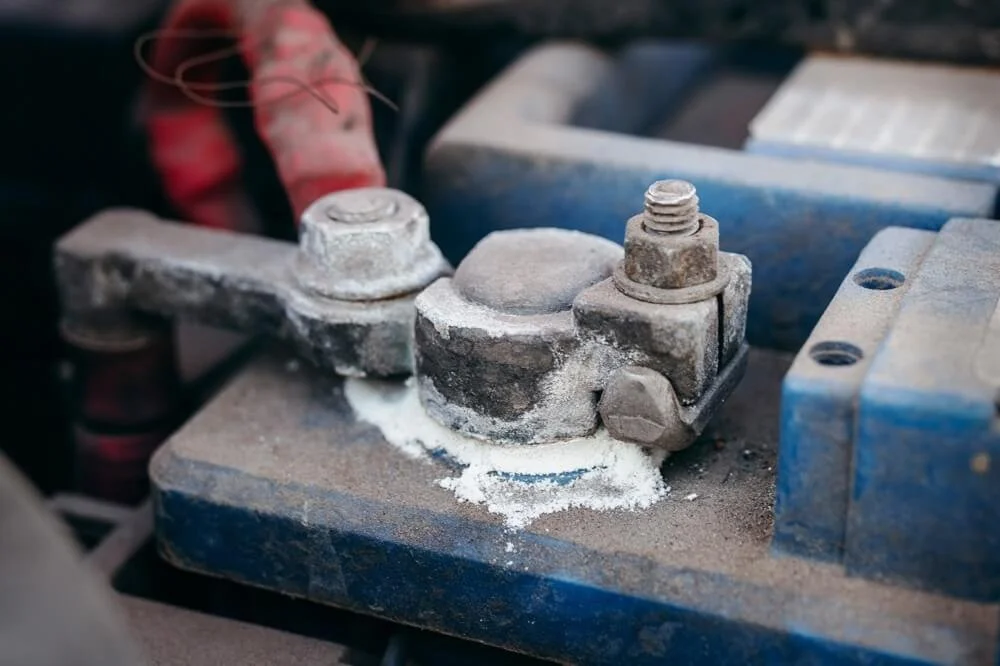
De-sulfation is a process used to address sulfation in lead-based batteries. Sulfation occurs when lead sulfate forms on the battery plates and hardens over time, reducing the battery’s ability to accept charge and deliver power effectively.
This build-up is most likely to occur when a battery is left partially discharged or undercharged for extended periods. As sulfation increases, battery performance declines and the risk of premature failure rises.
The Purpose of De-Sulfation
The aim of de-sulfation is to break down hardened sulfate deposits and return them to an active state. When successful, this can improve charging efficiency and help recover lost battery capacity.
Because sulfation develops gradually, the way de-sulfation is carried out plays an important role in how effective the process is and how safely it can be applied.
A Patented De-Sulfation Process
Traction Direct uses a patented de-sulfation process designed specifically to address sulfation without placing unnecessary stress on the battery. Rather than relying on uncontrolled or aggressive charging, the process is managed and monitored throughout.
This controlled approach allows sulfate deposits to be addressed while maintaining battery stability, helping to improve recovery outcomes without increasing the risk of damage.
Find out more about Traction products here.
Traction / Auto Emporium
📧 Email: sales@auto-emporium.com
📞 Phone: 610-605-3634
For additional information on products, questions, or comments, please contact Traction / Auto Emporium using the email address or phone number above.