


Why Amperage Matters When Choosing a Battery Support Unit
When specifying a Battery Support Unit (BSU), voltage regulation is only part of the equation. The unit must also have sufficient current capacity to support the vehicle's maximum electrical demand without reaching its output limit.
This makes amperage an important consideration when selecting a BSU for diagnostics, programming and other workshop procedures.

Showroom Support Units vs Battery Support Units: Choosing the Right Power Source for the Right Environment
When it comes to battery support equipment, not every unit is built for the same job. The right choice depends entirely on what the vehicle is doing. If a vehicle is sitting on display in a showroom, it has fundamentally different electrical requirements to a vehicle undergoing diagnostics or programming in the workshop. That's why Showroom Support Units (SSUs) and Workshop Battery Support Units (BSUs) are designed to operate in completely different ways.
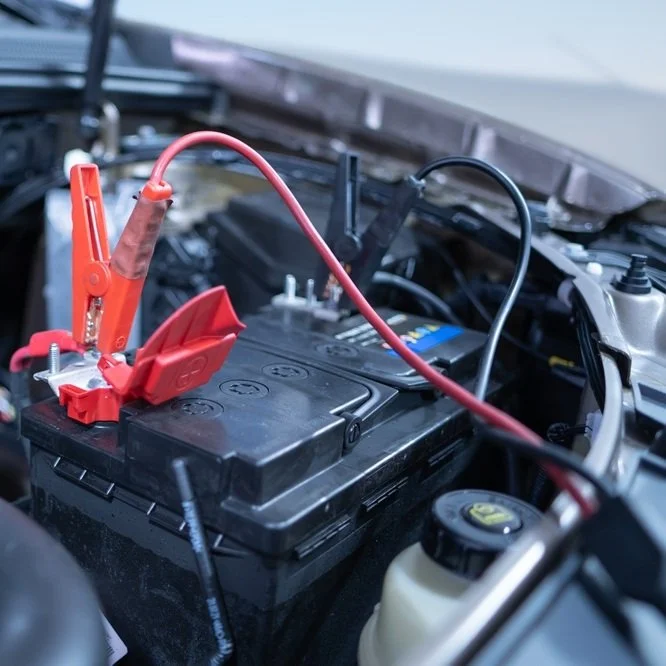
Common Mistakes When Charging Vehicle Batteries (And How to Avoid Them)
Proper battery charging is essential for maintaining vehicle reliability, especially in modern automotive environments where electrical systems are more complex than ever. However, many workshops and dealerships still encounter issues caused by avoidable battery charging mistakes in automotive applications.

Understanding LiFePO4 Battery Management Systems (BMS)
As LiFePO4 (Lithium Iron Phosphate) batteries become increasingly common in automotive applications, workshops and dealerships are encountering new battery technologies that require a different approach to charging, maintenance and diagnostics.

Why Dealerships Are Switching to Intelligent Battery Chargers
As vehicle technology evolves, so do the demands placed on workshop equipment. Traditional charging methods are no longer sufficient for modern vehicles, leading many dealerships to adopt intelligent battery chargers as part of their standard setup.

How to Prevent Battery Failure in Showroom Vehicles
Showroom vehicles often spend long periods stationary, with minimal use but ongoing electrical demand. From interior lighting to onboard systems, this constant draw can lead to battery drain and eventual failure if not properly managed.

The Complete Guide to Battery Support Units for Modern Vehicles
As modern vehicles become increasingly reliant on complex electronics, the need for a stable and consistent power supply has never been more important. This guide explains how battery support units work, and why they are essential for modern vehicle servicing.

Cold Weather Battery Performance: What Dealerships Need to Know
Cold weather is one of the most common causes of battery issues in vehicles, particularly in dealership environments where cars may sit unused for extended periods. As temperatures drop, battery performance declines, increasing the risk of failure at exactly the time vehicles need to be ready for demonstration or delivery.

Why Stable Power Supply is Critical During ECU Programming
As vehicles become increasingly software-driven, ECU programming is now a routine task in dealerships and workshops. Whether updating firmware or coding components, maintaining a stable power supply during ECU programming is essential to avoid costly failures.
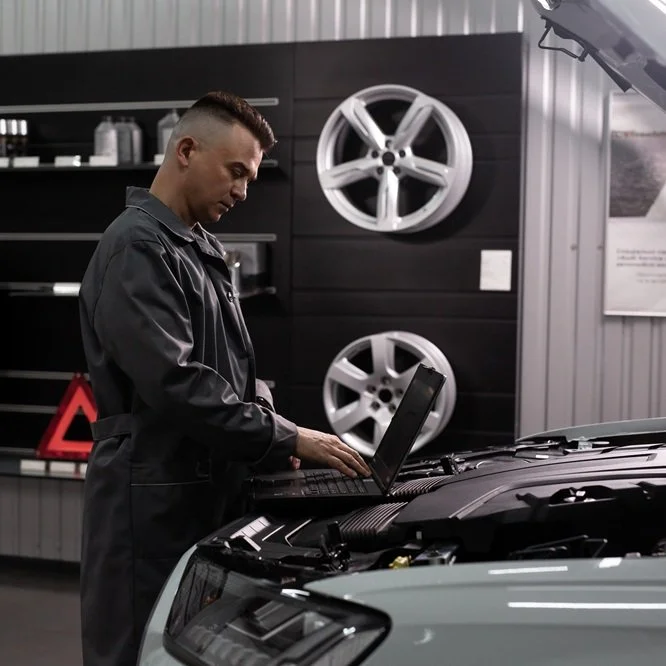
How to Set Up an Efficient Diagnostic Bay
An efficient diagnostic bay is essential for any modern automotive workshop. With increasing reliance on electronic systems and software-based diagnostics, workshops need a well-organised space that supports both accuracy and speed.

Summer Heat and Battery Degradation: Risks for Stored Vehicles
While cold weather is often blamed for battery issues, high temperatures can be just as damaging — particularly for vehicles kept in storage or on display. For dealerships and workshops, understanding how summer heat affects car batteries is essential to prevent unexpected failures and reduced battery lifespan.
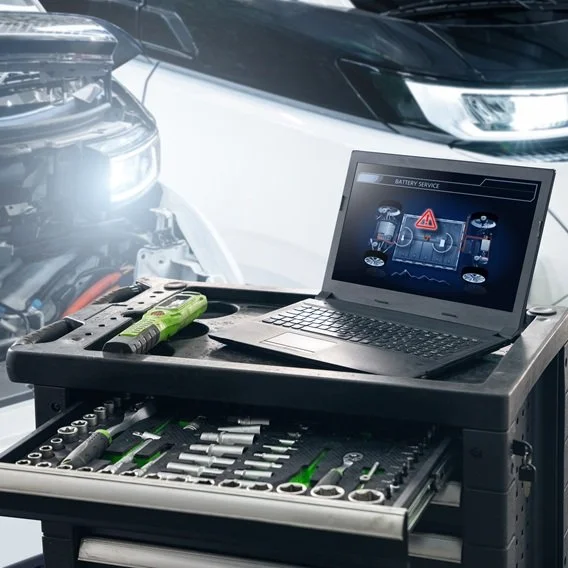
Why Standard Laptops Fail in Workshop Environments
Laptops are now a core part of modern automotive diagnostics, used for everything from ECU programming to fault finding and system calibration. However, not all laptops are suited to the demands of a workshop. In many cases, standard consumer devices struggle to cope with the environment, leading to downtime, damage, and inefficiency.

Auto Emporium Dealer Equipment is your new North American supplier of Traction Products
Auto Emporium Dealer Equipment is our new opportunity to continue sell and service the Traction brand of battery chargers, battery support units, and showroom support units, but also additional products for our automotive customers. The leadership remains the same, with Ed Giacomucci continuing as the National Manager.

How Weather Conditions Affect Your Car Battery
Weather plays a significant role in how well a car battery performs. Both hot and cold conditions can affect battery efficiency, lifespan and reliability, often leading to problems that seem sudden but have been building over time.
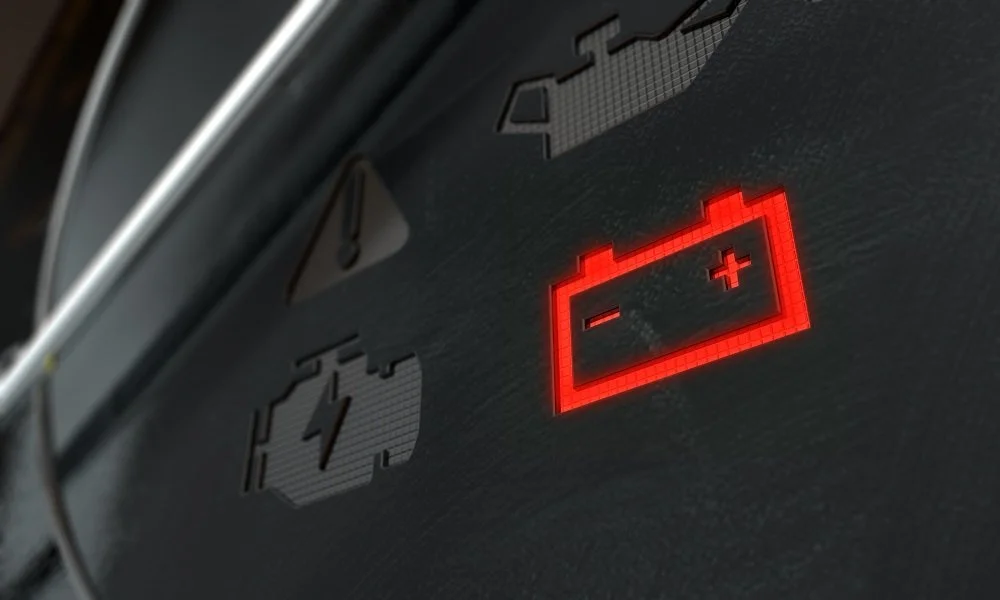
Different Batteries Require Different Charging Methods
Batteries aren’t all the same, and the way they are charged makes a big difference to how well they perform and how long they last. Given the cost of replacement batteries, using the right charging method is essential to avoid damage and ensure longevity.
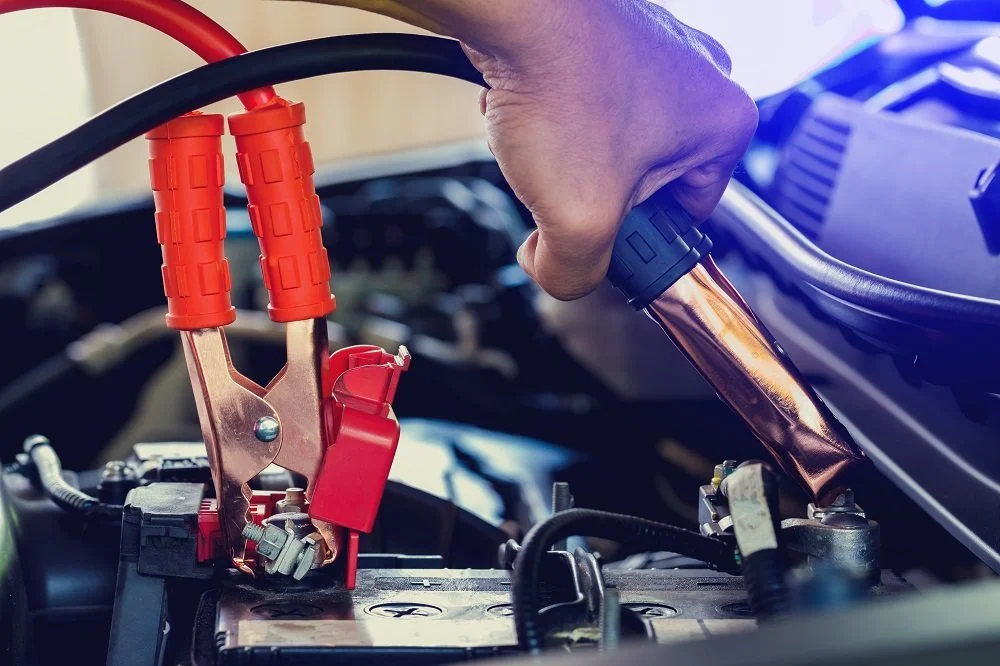
How to Select the Right Battery Support Equipment for Today’s Workshop
Choosing battery support equipment for a modern workshop requires more thought than it once did. Vehicle batteries are lighter, more powerful and closely linked to increasingly complex electronic systems, which means the tools used to support them must be up to the task.

Why Your ‘New’ Battery Might Need Extra Care Before Use
So, you’ve taken delivery of what’s supposed to be a brand-new car battery, but it doesn’t seem quite right. You’re not alone - it’s actually fairly common for new batteries to arrive less than perfect, and there’s a clear reason behind it.
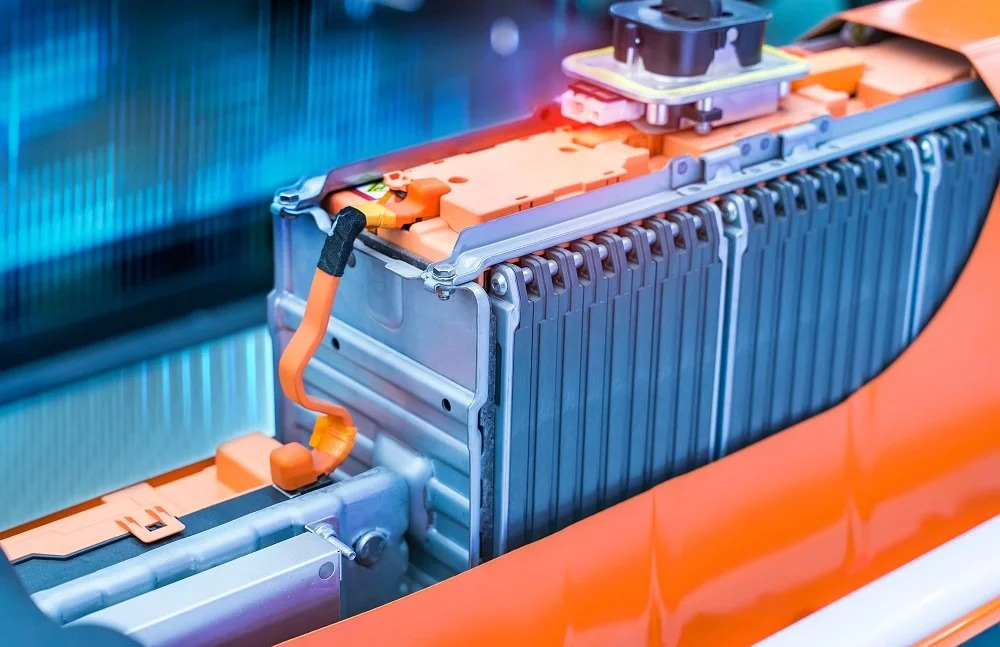
Key Differences Between Lithium-Ion and Lithium Iron Batteries
Lithium batteries are often grouped together, but lithium-ion and lithium iron phosphate batteries are not the same. While both are lithium-based, they differ significantly in construction, behaviour and suitability for different applications.
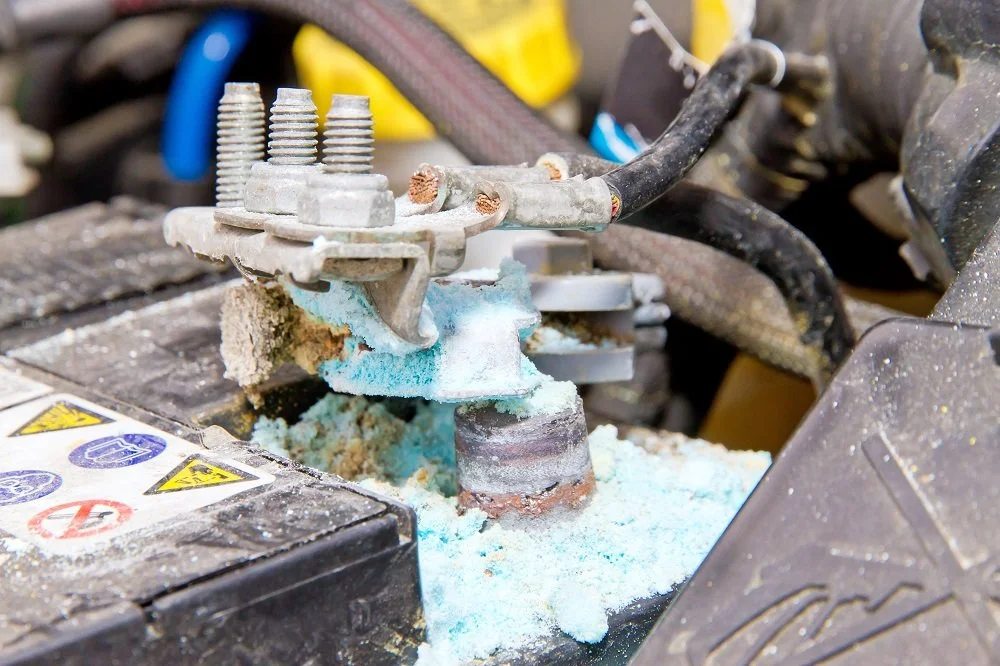
How to Prevent Sulfation in Lead-Acid Batteries
Sulfation is one of the main causes of early failure in lead-acid batteries. It happens when lead sulfate crystals build up on the battery’s plates, which reduces performance, increases charging times and ultimately shortens battery life.
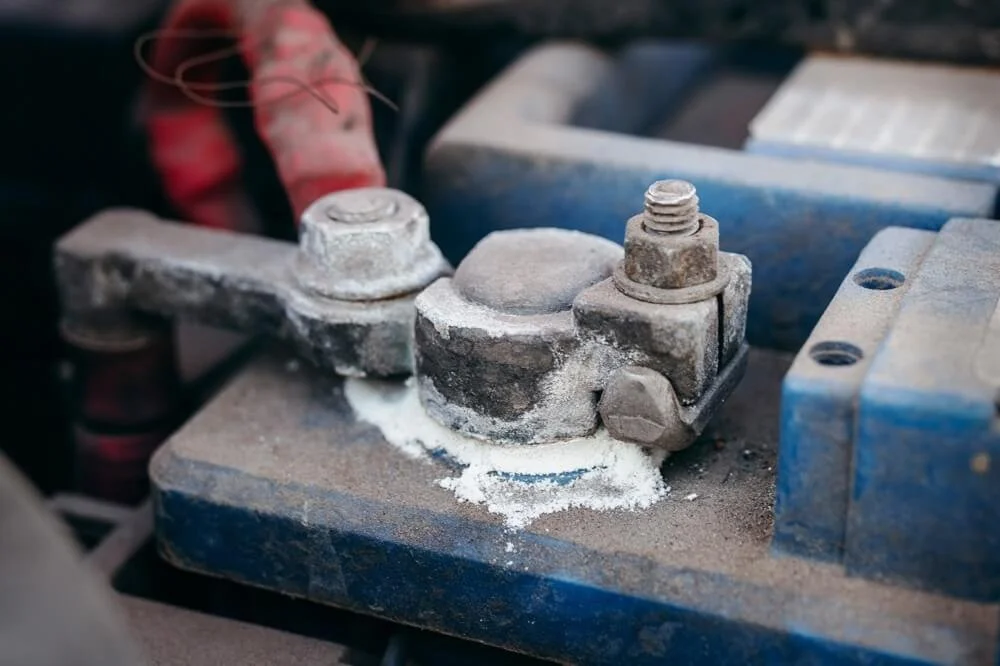
What is De-Sulfation and Why Does it Matter?
De-sulfation is a process used to address sulfation in lead-based batteries. Sulfation occurs when lead sulfate forms on the battery plates and hardens over time, reducing the battery’s ability to accept charge and deliver power effectively.